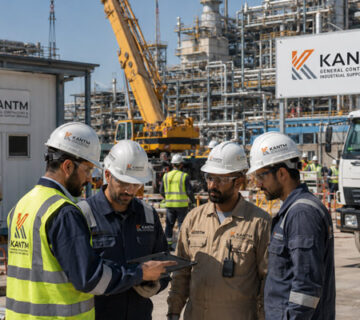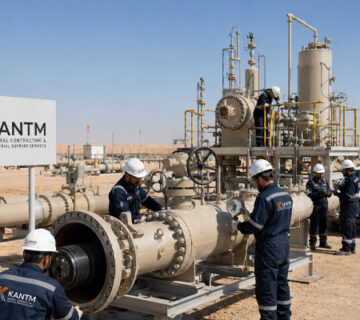

Qualified technical manpower is one of the most important elements in the success of construction, industrial, and oil and gas projects. These teams represent the operational force that carries out work on site and deals directly with equipment, safety procedures, and daily operational requirements. No matter how clear the project plan is or how available the equipment may be, the performance of technical manpower on site remains a key factor in accelerating completion, improving execution quality, and reducing operational risks.
In major worksites, the need for manpower is not based on numbers only. It depends mainly on the team’s qualifications, field experience, ability to follow instructions, and understanding of the required tasks. This is why technical manpower supply services have become essential for companies and contractors seeking to maintain efficient and safe operations.
The Importance of Technical Manpower on Worksites
Technical manpower acts as the link between planning and execution. These teams are responsible for turning project requirements into actual work on site. They include several specializations such as Riggers, Crane Operators, Boom Truck Operators, Scaffolding Supervisors, Work Permit Receivers, and Drivers.
Each of these roles plays a vital part in the work system, whether in lifting, transportation, equipment operation, site organization, or safety supervision. When these teams are qualified and trained, the worksite becomes more capable of executing tasks efficiently while reducing mistakes and delays.
How Qualified Manpower Improves Execution Efficiency
1. Performing Tasks with Higher Accuracy
Qualified technical manpower has practical knowledge of the work required on site, which helps them perform tasks with greater accuracy. For example, lifting and handling operations require a clear understanding of loads, guiding signals, equipment positioning, and safety distances. Having a qualified team reduces the possibility of errors and helps ensure that work is carried out in an organized manner.
2. Reducing Downtime on Site
One of the biggest challenges in major projects is work stoppage due to the lack of suitable manpower or the unavailability of the required specialization at the right time. When qualified technical manpower is provided according to project needs, it becomes easier to maintain workflow continuity and reduce downtime, especially in operations that depend on accurate coordination between teams and equipment.
3. Improving Safety Standards
Safety is a fundamental element in industrial and construction environments, especially in sites that involve lifting operations, equipment operation, scaffolding, work permits, or industrial maintenance. Qualified manpower is more capable of following safety procedures, understanding risks, and dealing with the work environment in a way that reduces the likelihood of accidents or operational errors.
4. Supporting Efficient Equipment Operation
Operating equipment on site does not depend only on the availability of machines. It also requires operators and technicians with the experience to use them properly. Crane Operators, Boom Truck Operators, and lifting and handling teams play a major role in ensuring that equipment is used efficiently, helping work get completed faster and more safely.
5. Organizing Work Between Different Teams
In major worksites, several teams operate at the same time, including construction teams, maintenance teams, lifting teams, transportation teams, safety teams, and supervisors. Having technical manpower with field experience helps improve coordination between these teams and makes task execution clearer and smoother.
The Role of Riggers in Lifting and Handling Operations
A Rigger is one of the most important technical roles on worksites, especially in lifting operations and load movement. This role requires a precise understanding of load characteristics, fixing points, lifting equipment, communication signals with the crane operator, and safety procedures.
Having qualified Riggers at different levels, such as Rigger Level I, Rigger Level II, and Rigger Level III, helps ensure that lifting operations are carried out safely and in an organized way, especially in industrial projects that involve heavy loads or sensitive equipment.
The Importance of the Work Permit Receiver – WPR
The Work Permit Receiver is an important role in sites that rely on a work permit system. This role helps ensure that tasks are performed according to the required procedures and that work teams are aware of the conditions and instructions related to each activity.
Having a qualified WPR on site contributes to better compliance with safety procedures, improved work organization, and reduced risks caused by starting tasks without proper coordination or authorization.
The Role of Crane Operators and Boom Truck Operators
Crane Operators and Boom Truck Operators are essential in lifting, transportation, loading, and moving equipment or materials within the site. Their role becomes even more important in projects that require continuous movement of heavy equipment or materials.
A qualified operator does not only operate the equipment. They also take into consideration site conditions, safety instructions, ground team signals, and the nature of the load, making the work more accurate and safer.
Scaffolding Supervisors and Their Role in Safety
Scaffolding work is one of the sensitive activities in construction and industrial sites, as it is related to working at heights and requires accurate supervision. Scaffolding Supervisors help monitor scaffolding works according to safety requirements and ensure that they are suitable for the nature of work on site.
Having qualified supervisors reduces risks associated with working at heights and helps provide a safer working environment for technical teams.
Drivers and Field Movement Support
Drivers are also an important part of the technical support system, especially in projects that require the transportation of equipment, materials, or work teams within the site or between different locations. Having committed and trained drivers helps organize field movement and reduce delays in resource transportation.
Technical Manpower and Its Role in Oil and Gas Projects
In oil and gas projects, the need for qualified technical manpower becomes even more important due to the sensitive nature of the work and the strict commitment required for safety and operational procedures. These projects need teams capable of dealing with complex industrial environments, understanding site requirements, and cooperating with multiple teams of contractors and supervisors.
Therefore, providing the right manpower for these projects does not only support work execution. It also helps stabilize operations and reduce risks.
Why Companies Need a Specialized Technical Manpower Supply Partner
Relying on a specialized partner for technical manpower supply helps companies and contractors save time and effort when selecting the right specializations. It also ensures the availability of teams that can work on site quickly and effectively, in line with the nature of the project and its operational needs.
A specialized partner understands the nature of industrial and construction sites and recognizes that each project requires a different mix of technical specializations, whether to support lifting works, equipment operation, maintenance, transportation, or site organization.
Conclusion
Qualified technical manpower plays a central role in improving worksite efficiency, as it directly affects execution quality, completion speed, safety, and operational organization on site. With the increasing size and complexity of construction, industrial, and oil and gas projects, the need for trained and qualified technical teams has become an essential requirement, not just a supporting element.
By providing the right manpower for each project, companies can improve worksite performance, reduce operational challenges, and support efficient and safe project execution.