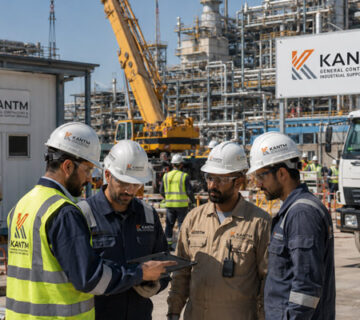

Pipeline and scraper cleaning services are among the key technical services required in oil and gas projects and industrial facilities. They help support operational efficiency, reduce internal buildup within pipelines, and improve flow performance inside the lines. As many industrial projects depend on pipelines to transfer liquids, gases, or different products, cleaning and monitoring activities become an essential part of maintaining operational continuity and reducing technical issues.
The importance of this service is not limited to pipeline cleaning only. It also includes tracking the movement of scraper tools inside the pipelines, inserting them through the launcher station, and retrieving them from the receiver station, ensuring that the process is carried out in an organized and safe manner that aligns with site conditions and operational requirements.
What Are Pipeline & Scraper Cleaning Services?
Pipeline and scraper cleaning services are a group of technical activities designed to clean pipelines from deposits, impurities, water, and condensates, while also monitoring cleaning or separation tools inside the pipeline. Tools known as Scrapers or Pigs are used inside the lines to perform different tasks, such as cleaning, dewatering, product separation, or preparing the pipeline for inspection and maintenance.
These activities require qualified technical teams, proper knowledge of pipeline systems, and strict commitment to safety and operating procedures, especially in industrial facilities and oil and gas projects that require a high level of discipline and accuracy.
Why Do Pipelines Need Regular Cleaning?
Over time, deposits, impurities, material residues, water, or condensates may accumulate inside pipelines and affect flow efficiency. This may lead to reduced pipeline performance, increased operating pressure, or difficulty in monitoring the technical condition of the line. Regular cleaning therefore helps improve operational efficiency and support continuous project performance.
Pipeline cleaning also helps prepare the lines for inspection, maintenance, or operation, while reducing the chances of operational problems caused by internal buildup or blockages.
The Role of Scrapers in Supporting Operational Efficiency
A scraper is a tool inserted into a pipeline to perform a specific task depending on the nature of the operation. It may be used to clean the line, remove liquids, separate products, or monitor the pipeline condition. The scraper is launched through the launcher station, then moves through the pipeline until it reaches the receiver station, while its movement is monitored throughout the process.
The importance of the scraper lies in providing a practical solution to support pipeline efficiency without the need for full shutdowns or complex interventions, provided that it is used according to clear operating procedures and by an experienced technical team.
Scraper Cleaning: Removing Deposits and Impurities from Pipelines
Scraper Cleaning services are used to clean pipelines from deposits and impurities that may accumulate over time. This process helps improve flow efficiency, reduce resistance inside the pipeline, and prepare the line for inspection, operation, or maintenance.
The cleaning method varies according to the type of pipeline, the transferred material, operating conditions, and project requirements. Therefore, selecting the right scraper tool and operating method is essential for each specific case.
Scraper Tracking: Monitoring Scraper Movement Inside the Pipeline
Tracking the movement of the scraper inside the pipeline is one of the important stages during operation. It helps the technical team monitor the progress of the process and identify the tool’s position inside the line. This monitoring improves process control, reduces risks, and allows the team to respond quickly to any challenges that may arise during execution.
Scraper Tracking also helps ensure that the operation is progressing according to plan and that the scraper is moving along the required path until it reaches the receiving point.
Scraper Launcher Insertion: Insertion from the Launcher Station
The scraper operation usually begins at the launcher station, where the tool is inserted into the pipeline according to precise operating procedures. This stage requires proper preparation, coordination between the site team, and full compliance with safety requirements, as any mistake during the launching stage may affect the entire operation.
This includes ensuring equipment readiness, reviewing operating conditions, and confirming that the technical team follows the required steps before starting the process.
Scraper Receiver Retrieval: Retrieval from the Receiver Station
After the scraper completes its movement inside the pipeline, it is retrieved from the receiver station. This stage is just as important as the launching stage, as it requires safe and organized handling of both the tool and the worksite. During this stage, the team confirms that the process has been completed, checks the results, and reviews any technical observations related to the pipeline condition or the materials removed.
An organized retrieval process helps evaluate cleaning efficiency and review the overall performance of the operation.
Foam Pigs and Their Role in Pipeline Applications
Foam Pigs are used in a number of pipeline applications, especially in operations that require light cleaning, dewatering, or product separation. These tools are flexible and able to adapt to bends and pipeline routes, making them suitable for many uses within different systems.
Key Foam Pig applications include Dewatering, Product Batching, Light Cleaning, and Condensate Removal. These applications help improve operational efficiency and reduce buildup and technical problems inside the pipeline.
The Importance of Safety in Scraper and Pipeline Operations
Scraper and pipeline operations are carried out in industrial environments that may be sensitive and require a high level of commitment to safety procedures. Therefore, operations must be performed by qualified technical teams, according to clear operating steps, and using the appropriate tools and equipment for the site conditions.
This includes ensuring that the work area is ready, monitoring pressure and flow, following operating instructions, and coordinating work between technicians and supervisors before, during, and after the operation.
How Do These Services Help Reduce Technical Challenges?
When pipeline and scraper cleaning activities are carried out in an organized way, they help reduce a number of technical challenges, such as low flow efficiency, deposit accumulation, the presence of water or condensates inside the line, or the need to prepare the pipeline for inspection and maintenance.
These services also support operational continuity and help reduce downtime, as they contribute to keeping the pipeline in better operating condition and provide field information that helps understand the condition and needs of the line.
Why Do Projects Need a Specialized Partner for This Service?
Pipeline and scraper cleaning services require technical and field experience. They are not just routine operating activities; they require a clear understanding of the pipeline, scraper tools, launching and receiving procedures, and movement tracking inside the line. Therefore, relying on a specialized partner helps ensure that the operation is carried out efficiently and safely.
A specialized partner can provide suitable technical teams, field support, operating tools, and safe site coordination, helping companies carry out pipeline activities in a more organized and reliable manner.
Conclusion
Pipeline and scraper cleaning services are essential for supporting operational efficiency in oil and gas projects and industrial facilities. They help clean pipelines, track scraper movement, support launching and receiving operations, and improve flow efficiency inside the lines.
With the growing need for safe and efficient operations in industrial projects, these services have become an important part of the maintenance and technical support system. They contribute to reducing operational challenges, improving performance efficiency, and maintaining work continuity within pipeline systems.